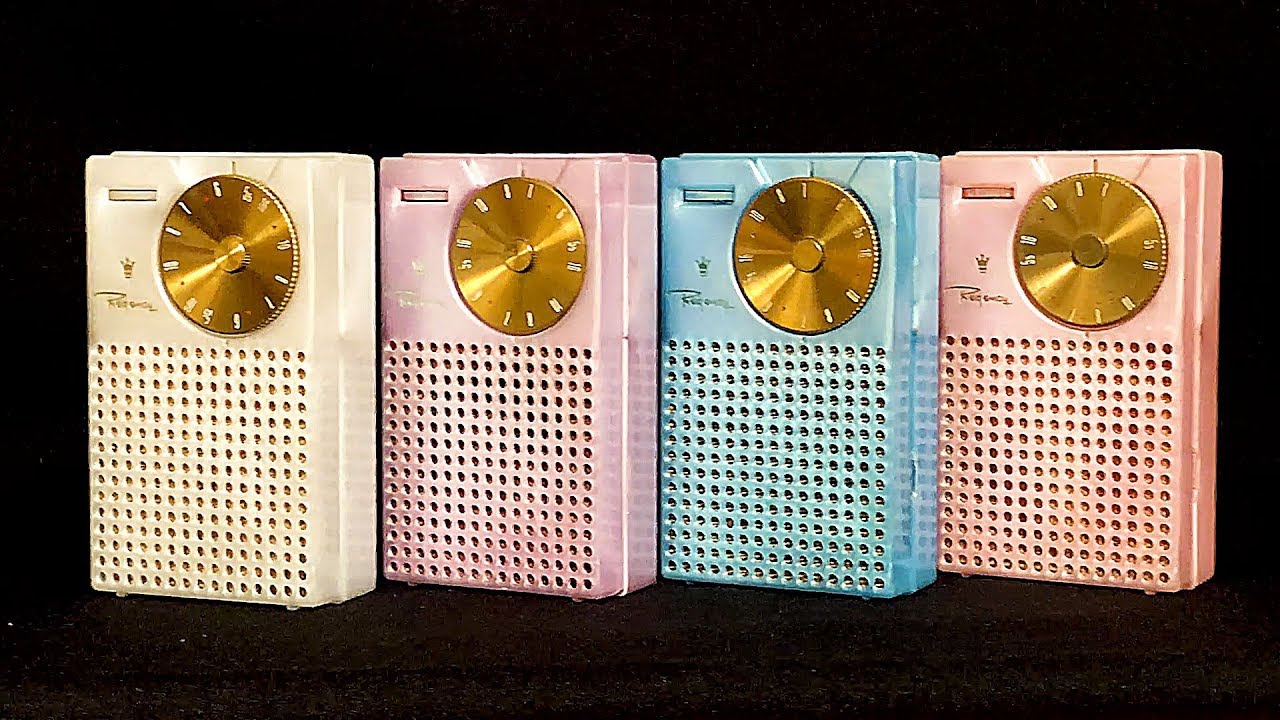
Before Spotify, before boomboxes, before cassette tapes in glove compartments, there was the transistor radio. Small enough to slip into a pocket. Cheap enough that kids could buy their own. And powerful enough to change the way America listened to music—forever.
The first time I held a transistor radio, it felt like holding a secret. Unlike the big console stereos in living rooms or the car radios controlled by parents, this little plastic box was mine. Music, right there in my palm. I could walk down the street, lie in bed, or hide away in the backyard, and the music would follow me like a friend who understood.
The transistor radio made music personal.
It didn’t matter if you were in a small town like Rosalia, Washington, or a big city. With just a turn of the dial, you could tune in to voices and rhythms coming from miles away. AM stations crackled through the airwaves, spinning the latest singles, late-night dedications, and countdowns that felt like holy rituals.
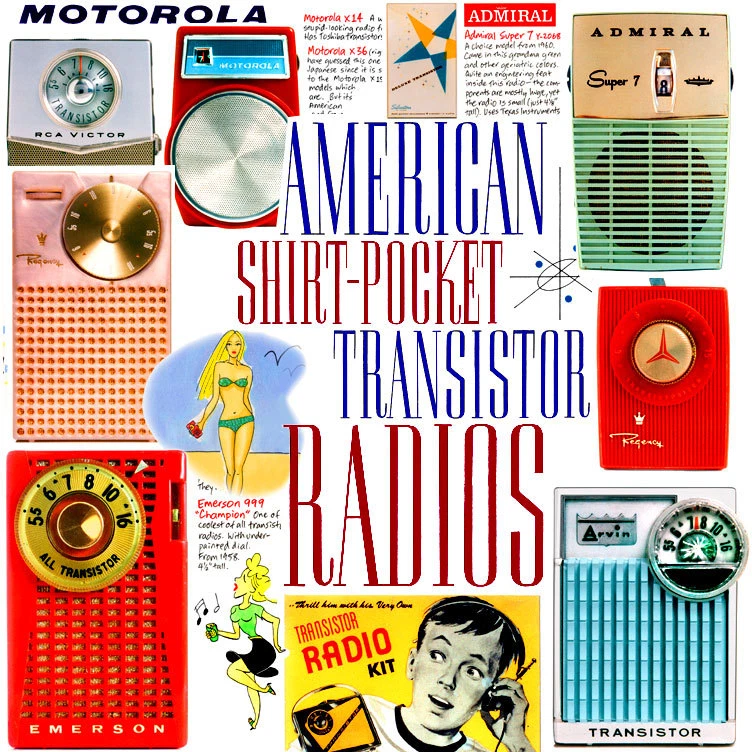
Suddenly, music wasn’t just something you experienced with your family—it was something you could have alone. And that changed everything.
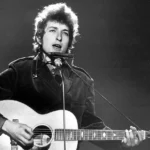
For teenagers across the country, the transistor radio was a lifeline. It gave us the Beatles, the Supremes, the Beach Boys, and Smokey Robinson in real time. We didn’t have to wait for the Ed Sullivan Show or a parent’s permission to play a record. We could discover new sounds on our own terms.
It was also a great equalizer. You didn’t need a fancy record player or expensive stereo equipment. You didn’t even need electricity—just a battery. That’s how you found your favorite DJ. That’s how you waited to hear your song. That’s how you fell asleep with a station softly playing under your pillow.
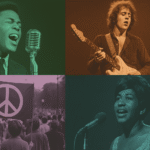
Looking back, it’s easy to see how this little piece of technology opened up a big world. It helped create the idea of “youth culture.” It fueled the rise of rock and roll, the Civil Rights Movement’s anthems, and anti-war protest songs. It allowed kids to build identities around music—whether you were a Motown soul, a British Invasion fan, or a garage rock rebel.
And maybe most importantly—it gave you ownership of your soundtrack.
The transistor radio wasn’t just a gadget. It was a revolution you could carry in your hand. And for a generation of dreamers, dancers, and kids growing up between Ed Sullivan and FM stereo, it was the first true taste of freedom.
Author Profile