Ten weeks had passed since President Kennedy’s assassination. The national mood was still heavy, still stunned. It felt like we were all waiting for something to lift the fog, though we didn’t know what it might be.
And then, word began to spread—The Beatles were coming.
Their music had already begun to trickle across the ocean. A few kids at school had heard “I Want to Hold Your Hand” on the radio. Someone mentioned a band with mop-top hair and British accents that made the girls scream. Some of us had seen clips on the news—crowds at airports, fans in tears, this wild, joyous chaos that didn’t seem to make sense unless you felt it yourself.
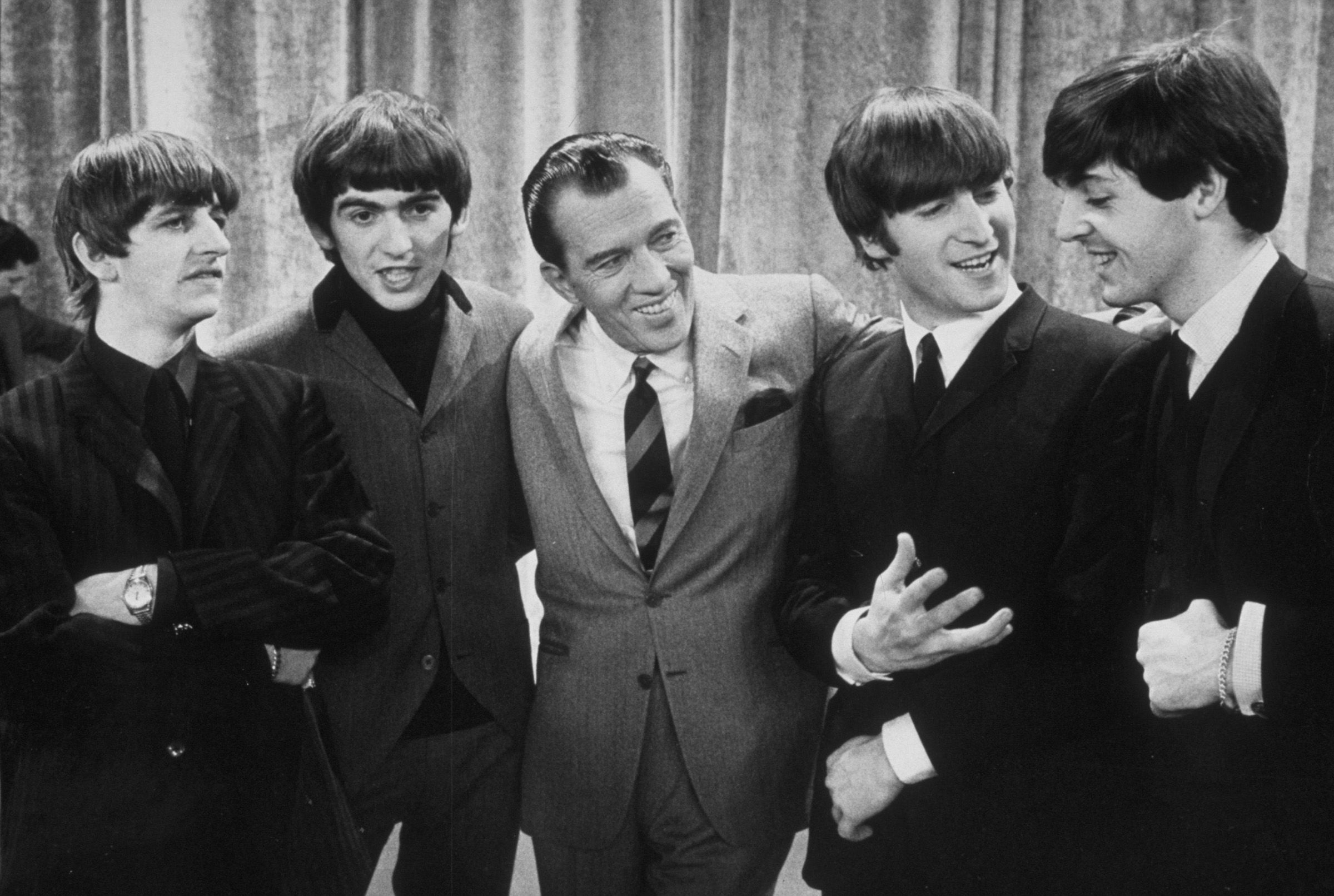
By February 9, 1964, the anticipation was humming. That Sunday evening, 73 million people across America tuned into The Ed Sullivan Show—the kind of shared national experience that’s hard to imagine today. We all sat there, huddled around televisions with rabbit-ear antennas, watching something we weren’t entirely sure we understood.
Then the curtain lifted.
“All My Loving.”
“Till There Was You.”
“She Loves You.”
“I Saw Her Standing There.”
“I Want to Hold Your Hand.”
Five songs. Around fifteen minutes. Just four young men in suits with guitars, but something about them felt new. They were sharp and playful, confident and charming in a way that didn’t feel polished by handlers—it felt real. Fresh. Alive.
I don’t remember thinking, This will change everything. I didn’t have the language for cultural revolutions or British Invasions. I wasn’t thinking about Top 40 charts or the future of rock and roll. I just knew I liked it. We all did.
Maybe we didn’t realize it in the moment, but looking back, it’s clear: this wasn’t just another musical act. It was a spark. The Beatles didn’t just arrive—they landed. And in doing so, they gave us something joyful, something wild, something that felt like color seeping back into a black-and-white world.
For many of us, it wasn’t a personal awakening just yet. That would come later—through vinyl records, transistor radios, and bedroom mirrors turned into stages. But that night, it began. Not just a band, not just a concert—but a shift.
If the day Kennedy died marked a loss of innocence, then the night The Beatles played Ed Sullivan was a glimmer of something else. Not a replacement. But maybe a reason to smile again.
Author Profile